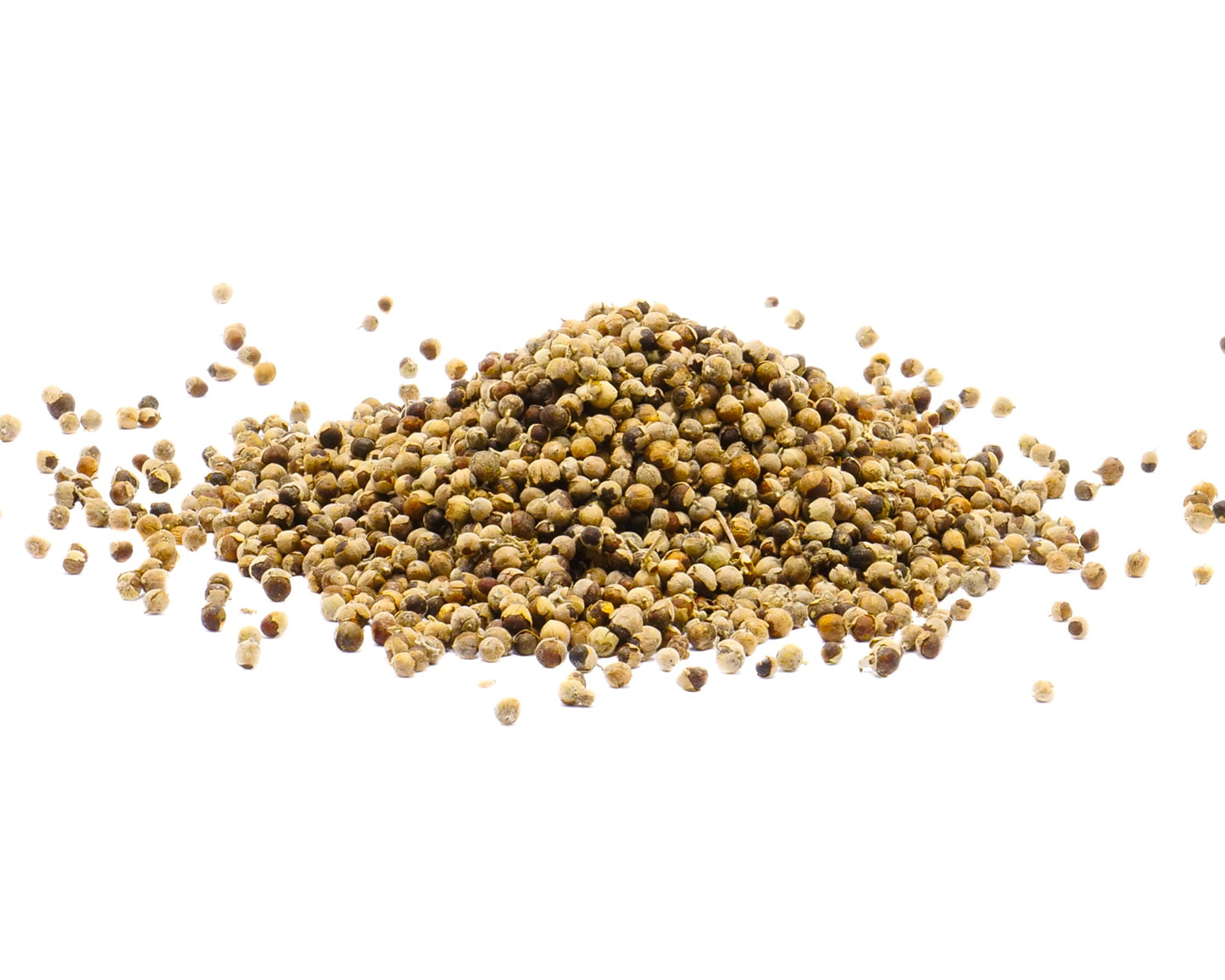
Chasteberry (also known as chasteberry or the scientific name Vitex agnus-castus) is a deciduous shrub or small tree native to Mediterranean regions. Chasteberry belongs to the verbena family and can reach a height of up to three meters. The leaves of the chasteberry are palmate, as they are reminiscent of the shape of a palm. The flowers of the chasteberry are small and can be pale to dark purple in color. Monk's pepper originally comes from the Mediterranean and parts of Asia. Nowadays it is also grown in other regions with a similar climate, because monk's pepper prefers sunny locations. The soil on which monk's pepper grows is well-drained. The robust monk's pepper grows in dry and warm climates and must therefore be protected from frost.
Use of chasteberry:
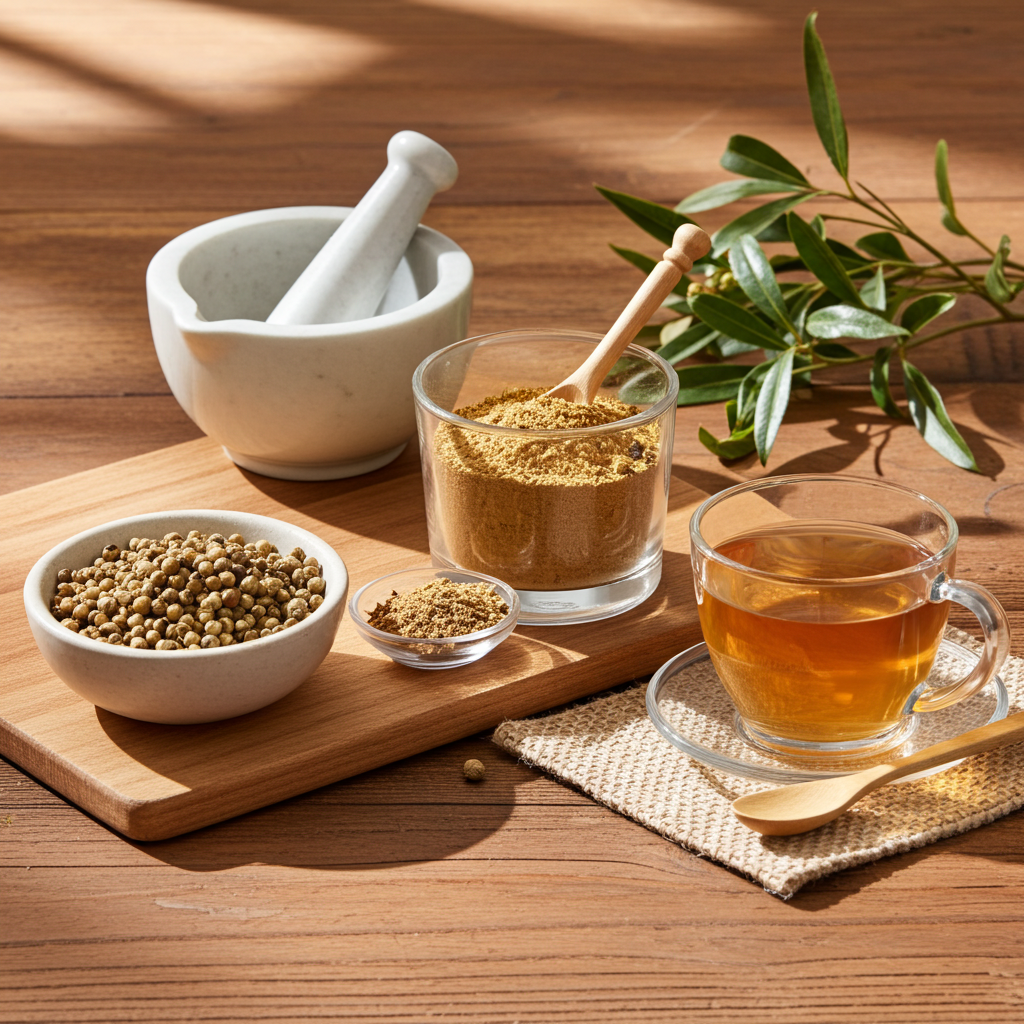
Monk's pepper has a long history of being used by humans and was already known in the Middle Ages. Its use as a spice is no longer common today. Nevertheless, the brown to black-brown fruits of the monk's pepper have a slightly less pronounced pepper-like, spicy taste and were often used as a spice in the Middle Ages. However, monk's pepper can be drunk as a tea. To prepare monk's pepper tea, pour 1-2 heaped teaspoons into 150ml of boiling water, cover and leave to steep for about 10 minutes. Then strain and enjoy the monk's pepper tea warm. Two cups of monk's pepper tea can be drunk daily as needed. Monk's pepper should not be used for longer than six weeks at a time. After the six weeks, you can take a break for one week.
Ingredients: Monk's pepper whole
Storage:
Monk's pepper should be stored dry and ideally airtight in order to retain its intense aroma for a particularly long time.